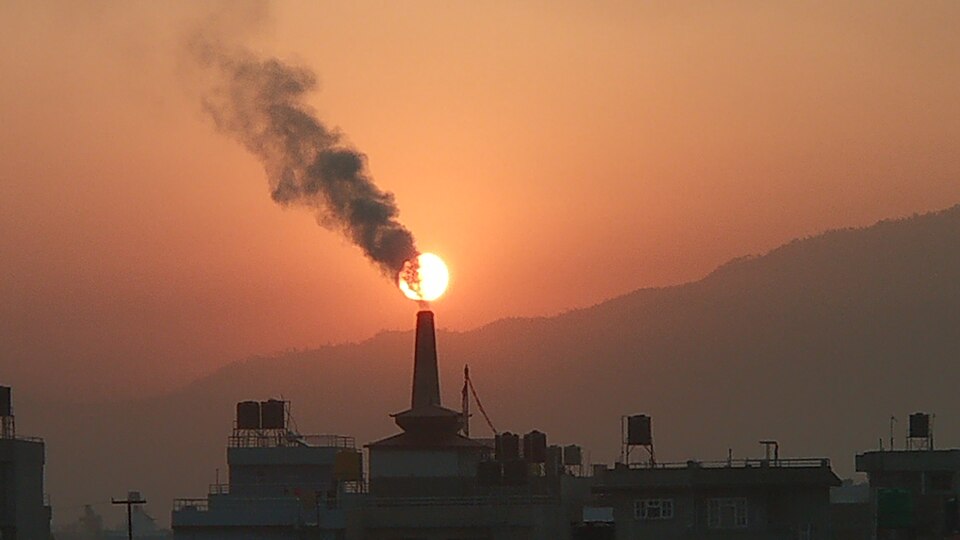
Air Quality
Air Quality: Reading the air that shapes respiratory health
Air quality sits at the intersection of environment, policy, and personal health. Our Air Quality category at Pneuma Health Journal curates clear, reader-friendly insights into how outdoor and indoor pollutants affect lung function, how communities monitor air, and what families can do with the data they encounter. This section gathers evidence from peer-reviewed sources and translates it into practical context for clinicians, researchers, students, and informed readers who want to understand, compare, and apply air-quality information in everyday life.
In this space, you’ll find topics that span several concrete clusters. First, ambient air pollution reading and interpretation, including how environmental tobacco smoke and traffic emissions influence lung function across age groups. Second, air quality indices and thresholds used by local agencies in cities and rural communities, with guidance on what a given index means for daily activities and health planning. Third, indoor air pollutants from building materials, cleaning products, and household activities, and their impact on pediatric and adult lung development. Fourth, particulate matter composition and exposure pathways, from ultrafine particles in urban settings to seasonal dust, and how regulators monitor these changes. Fifth, regulatory and policy contexts, including local air-pollution standards, national strategies, and how residents can engage with public data portals. Sixth, measurement and technology topics such as sensor networks, health dashboards, and the limitations of models in real-world environments. Finally, communication and health literacy, including how to read charts, understand confidence intervals, and discuss air quality with patients, students, and the general public.
We aim to connect readers with credible data, from sources like the Environmental Protection Agency in the United States, the European Environment Agency, and national health agencies worldwide, while acknowledging that regional readings differ. To illustrate how these readings translate into choices, consider a typical weekday: a city with an Air Quality Index around 90–110, a family deciding outdoor activities for a child with asthma, and a school planning indoor air strategies during pollen seasons. The context matters: a factory neighborhood may show higher PM2.5 shifts, while a winter city might see wildfire smoke-related spikes depending on the season. Across scenarios, readers learn how to interpret numbers, understand limitations, and compare local readings with national or international benchmarks.
The content you’ll encounter here reflects our editorial scope: translating peer-reviewed science into accessible reading, without presenting medical advice. We emphasize clarity over jargon, while preserving the nuance that makes air-quality science essential to respiratory health research and public health practice. Our stance is neutral, data-driven, and focused on helping readers evaluate and discuss air-quality information responsibly.
Below is a quick snapshot of how this category is commonly structured, with concrete examples and named services or datasets you’re likely to encounter. This orientation also anchors our coverage to real-world references that readers in the United States and beyond can relate to, including local monitoring networks, consumer-grade sensors, and policy debates that shape how air quality is assessed and communicated.
| Topic Area | Representative Sources | Practical Focus |
|---|---|---|
| Ambient pollutants | PM2.5, NO2, O3 readings; EPA Air Now; WHO Air Quality Guidelines | How readings relate to lung function, vulnerable populations, and daily decisions |
| Indoor air | VOC sources, PM from cooking, cleaning products; CDC/ASHRAE guidance | Strategies to reduce indoor exposure and protect children with asthma |
| Indices and thresholds | Air Quality Indices; city dashboards; school air policies | Interpreting local readings and planning activities around alerts |
| Measurement and sensors | Low-cost sensors; national networks; data portals | Understanding accuracy, calibration, and how to use data responsibly |
Important country-specific anchors appear throughout this category to keep readings grounded in real environments. In the United States, we reference urban air-quality dashboards from the Environmental Protection Agency and city-run portals such as New York City’s official dashboard and Los Angeles air-quality alerts. In addition to explicit references, our articles discuss how local factors—like the Portland, Oregon wildfire smoke season or Chicago, Illinois winter inversions—shape exposure patterns and health outcomes. We also discuss the role of local regulators in establishing action days, such as California’s Air Resources Board standards and public-health advisories issued during high-pollutant events. Readers will encounter named cities and regions, translated data, and practical takeaways informed by local context, without implying universal applicability across all geographies.
What you’ll find in this section includes year-round reviews of air-quality dynamics, practical guidance for families with respiratory conditions, and reporter-led investigations into how communities monitor and respond to data. We present balanced analyses of controversial topics, like how to interpret online sensor data versus official government measurements, or how to weigh indoor air interventions when outdoor air quality is poor. Our coverage aims to be accessible yet precise, helping readers understand risk, ask informed questions, and engage with policymakers and health professionals in constructive ways.
As with other sections in Pneuma Health Journal, this category connects to our broader mission: to illuminate how respiratory health intersects with environmental factors, to translate science for practical use, and to empower readers to participate in conversations about air quality with confidence. We invite you to explore the posts listed above and in related categories such as Public Health & Lungs, Pulmonary Research, and Respiratory Health, knowing that each piece respects our editorial boundaries while offering timely context for readers around the world.
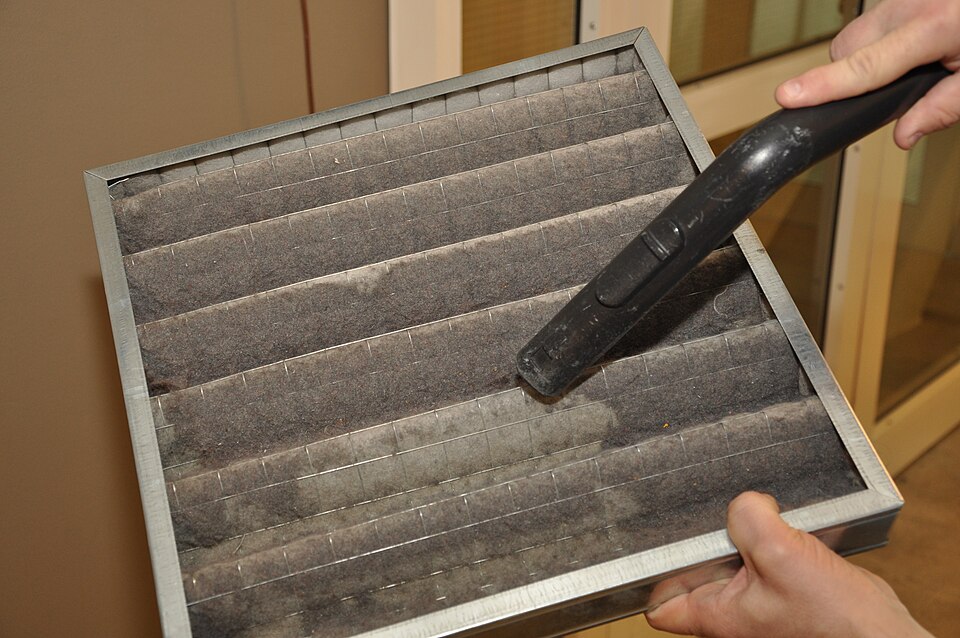

Air Quality
Environmental Tobacco Smoke and Adult Lung Function
This editorial examines how environmental tobacco smoke, or secondhand smoke, influences adult lung function, synthesizing recent evidence on measurable re…
Air Quality Indices: Interpreting Local Readings for Public Health
Air Quality Indices (AQI) are among the most visible public health signals for communities, yet they are often misunderstood or misapplied. This piece exam…
Impact of Indoor Air Pollutants on Lung Function
Indoor air quality shapes daily respiratory health in ways that often go unseen until symptoms emerge. This piece surveys how common indoor pollutants affe…