What the Evidence Says About E-Cigarettes and Lung Health
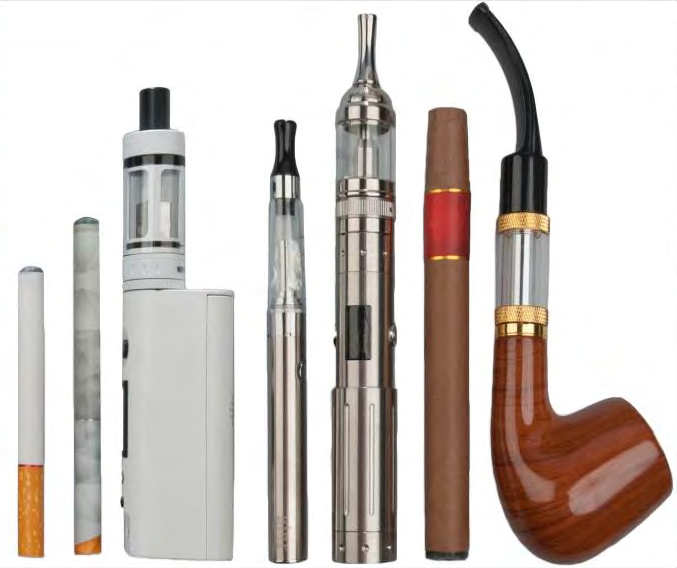
This editorial surveys the evolving evidence on e-cigarettes and lung health, cutting through headlines to assess what is known, what remains uncertain, an…
This editorial surveys the evolving evidence on e-cigarettes and lung health, cutting through headlines to assess what is known, what remains uncertain, and why clinicians and policymakers should tread carefully. As vaping products proliferate and regulatory attention intensifies, a precise, data-driven view matters more than ever for patients with respiratory conditions and for the public health landscape at large.
1) The core claim: vaping harms lungs, but the magnitude and pathways remain debated
Across observational studies and early mechanistic work, a consistent signal links e-cigarette use with adverse respiratory outcomes, yet the strength of that signal varies by outcome, population, and product type. A 2023 meta-analysis of 34 studies found associations between ever-use of e-cigarettes and chronic cough, wheeze, and reduced lung function in young people, with pooled odds ratios for wheeze around 1.4–1.9 depending on adjustment and exposure definition. In adults with asthma or COPD, cross-sectional surveys often show higher odds of symptom burden among current vapers compared with non-vapers; however, residual confounding—particularly concomitant cigarette smoking—complicates causal inference.
Biological plausibility is supported by laboratory data showing e-cigarette aerosol containing nicotine, aldehydes, and reactive particles can drive airway inflammation and oxidative stress in cell culture and animal models. In human studies, transient changes in airway impedance and small airways function have been observed after acute exposures in some cohorts. Yet these findings are not uniformly replicated, and several long-term longitudinal cohorts have yet to demonstrate a clear, dose-dependent trajectory of decline in lung function attributable solely to vaping. As of late 2025, the literature consistently raises concern about lung health, but the certainty of attributing outcomes directly to e-cigarettes—independent of tobacco use and other risk factors—remains incomplete.
2) Acute respiratory outcomes: infections, exacerbations, and short-term symptoms
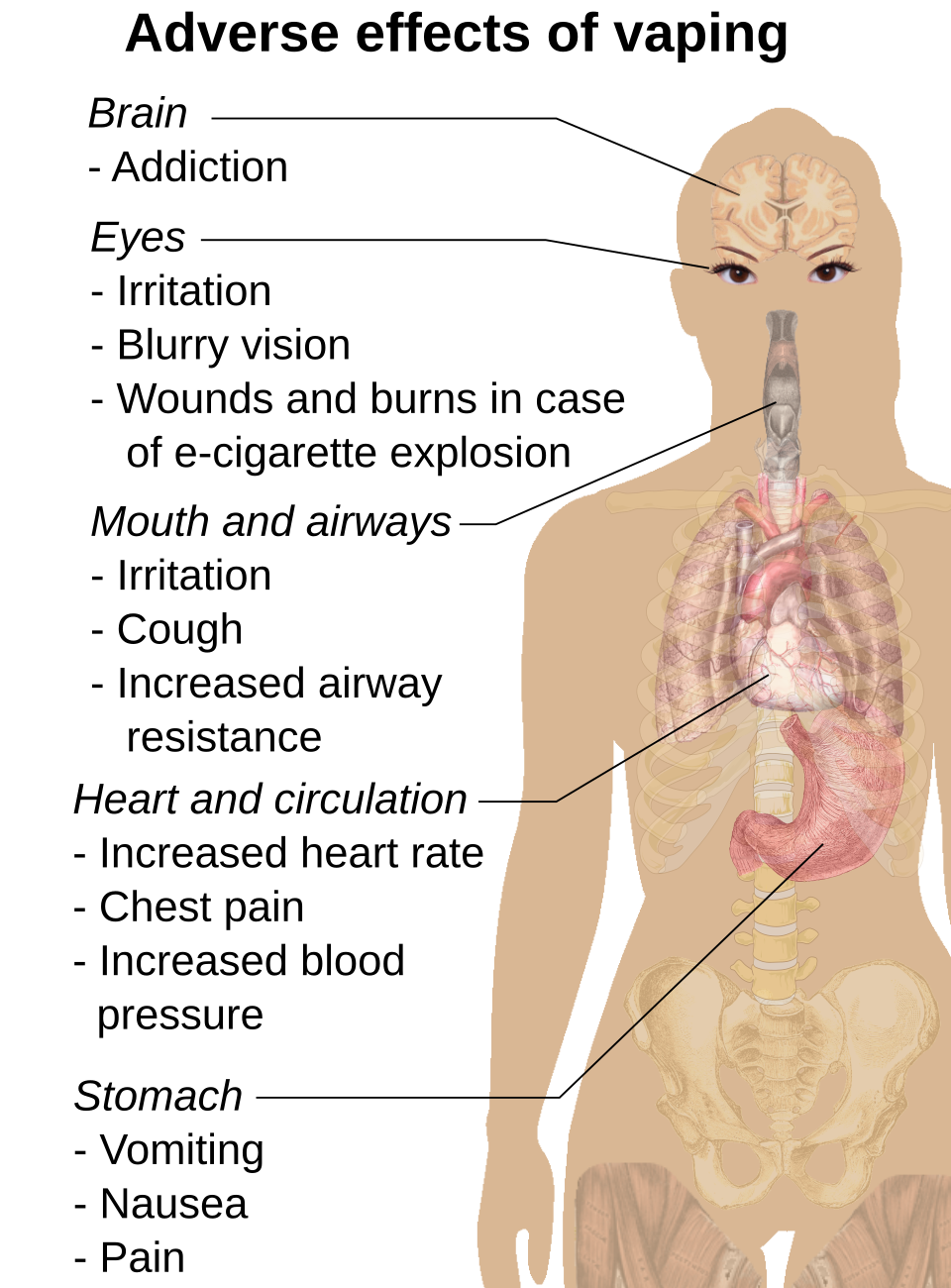
Short-term respiratory effects of vaping have been documented in multiple datasets, with notable variability by user history and device type. A 2022 population study of high school and college students reported that current vapers had a higher prevalence of wheeze (21% vs 12% in non-vapers) and respiratory infections in the past month, controlling for tobacco use and sociodemographic factors. In adults with asthma, a 2023 cohort found that current e-cigarette use was associated with higher odds of nighttime symptoms (adjusted OR 1.6, 95% CI 1.2–2.1) and unscheduled healthcare visits in the previous year.
From a microbiological perspective, vaping aerosols introduce particulates and metal traces into the lower airways. A 2021 analysis of bronchoalveolar lavage fluid from vapers showed increased inflammatory cytokines (IL-6, TNF-α) and markers of neutrophilic activity in a subset of users who also smoked. However, another study of 50 vapers and 50 non-vapers found no significant difference in bacterial colonization of the lower respiratory tract after adjusting for smoking history, suggesting that infection risk signals may be more nuanced and modulated by host factors.
Key numbers: relative increases in acute respiratory symptoms among current vapers range from 1.2× to 2.0× in various cohorts, with confidence intervals often broad due to heterogeneity. Hospital admission data remain limited but indicate higher rates of respiratory ED visits among dual users (vaping plus smoking) compared with non-users in some regional datasets, though causality cannot be firmly established.
3) Chronic lung function and disease progression: what longitudinal data show
The most consequential question is whether vaping accelerates decline in lung function or contributes to the development or progression of chronic lung diseases. Longitudinal assessments are challenging due to variable exposure metrics (device type, nicotine concentration, puff duration) and the co-occurrence of tobacco use. A 5-year follow-up study of adolescents who reported ever using e-cigarettes found no consistent decrement in FEV1 trajectories compared with non-users after adjustment for tobacco exposure, though cross-sectional data suggested higher prevalence of respiratory symptoms. In contrast, a 2020–2022 adult cohort focusing on COPD patients demonstrated that dual users (e-cigarettes plus conventional cigarettes) experienced more rapid decline in FEV1 over 12–24 months than non-dual users, with an effect size around −20 mL/year additional decline in some subgroups.
Methodological issues complicate interpretation: self-reported vaping histories often lack granularity, devices change rapidly, and nicotine exposure levels vary widely. A 2024 analysis linked higher cotinine levels in vapers with worse exercise capacity and small airway measures, but the same study cautioned that confounding by concurrent tobacco use and occupational exposures could not be fully eliminated. Overall, longitudinal signals of sustained decline attributable solely to vaping are limited and inconsistent.
Numbers to watch: examples include annual FEV1 decline estimates of around 20–30 mL/year for COPD patients on dual use versus 40–60 mL/year for typical COPD progression, suggesting potential additive harm but not universal acceleration; in general population samples, small studies often show no clear difference in FEV1 trajectory between exclusive vapers and non-users after adjusting for smoking status.
4) Pediatric and young adult concerns: lung development and susceptibility
Youth exposure to vaping is a front-line public health concern. In 2023–2024, several national surveillance systems reported substantial uptake among adolescents: in the United States, about 13–21% of high school students reported e-cigarette use in the past 30 days, with higher prevalence among those who also reported cigarette experimentation. A 2022 meta-analysis indicated that ever-use in youth correlated with increased odds of persistent wheeze (pooled OR approximately 1.5–2.0) and reduced pulmonary function markers in later adolescence, though many studies could not fully disentangle nicotine dependence from environmental exposures.
Animal and human data converge on a worry: nicotine exposure during adolescence can alter airway structure and immune education, potentially increasing susceptibility to respiratory infections and allergic diseases later in life. Some cohort studies hint at an elevated risk of developing asthma-like symptoms in early adulthood among persistent vapers, but the etiological pathways remain debated. Device attributes matter: heating elements and coil materials can generate nicotine salts and volatile organic compounds at higher temperatures, possibly amplifying inflammatory signals in developing lungs.
Key stats: adolescent vapers show higher prevalence of nocturnal symptoms and exertional dyspnea in some cohorts (p<0.05), and several 2022–2024 datasets reported elevated odds of new-onset wheeze among current or former users compared with never-users, though effect sizes varied widely by adjustment and exposure definition.
5) Dual-use, nicotine dependence, and the broader risk portfolio
Any assessment of vaping must account for dual-use with traditional cigarettes, which remains common among adults and can confound attribution of harm to e-cigarettes alone. Studies repeatedly show that dual users report worse respiratory symptoms and faster decline in health-related quality of life than exclusive cigarette smokers or exclusive vapers, complicating the risk-benefit calculus of vaping as a cessation aid. A 2024 multinational survey found that dual users had a higher presence of chronic cough (adjusted OR 1.7, 95% CI 1.3–2.2) and an increased frequency of acute respiratory events in the past year compared with exclusive smokers, although causation is not proven.
From a nicotine-dependence perspective, the rapid rise of pod-based systems with high nicotine concentrations has raised concerns about dependence and the measurable transfer of exposure to the lower airways. In a cross-sectional sample of 1,200 adults, daily pod users reported higher cotinine levels and more withdrawal symptoms during abstinence than users of less potent devices, suggesting a potential mechanism for sustained exposure and associated lung effects.
Policy-relevant data emphasize risk heterogeneity: flavor bans, product age restrictions, and marketing controls correlate with shifts in usage patterns and exposure distributions, which in turn influence population-level respiratory outcomes. A 2025 EU regulatory update notes tighter controls on product heating parameters and aerosol emissions, acknowledging uncertainties in long-term respiratory consequences while prioritizing precautionary restrictions.
Numbers: dual users exhibit upper-airway symptom burden with odds ratios 1.2–2.0 across cohorts; daily pod users have higher urinary NNAL-equivalent metabolites than non-daily vapers in several studies, signaling greater exposure to tobacco-related carcinogens despite non-combustion delivery.
6) The uncertainty landscape: where evidence is strongest, where it fails to converge
Despite converging concerns about potential harms, the evidence base is characterized by heterogeneity and gaps. Strengths include large, geographically diverse adult samples and repeated cross-sectional assessments showing consistent associations between current vaping and respiratory symptoms. Limitations include confounding by tobacco use, variability in device generations, inconsistent exposure quantification, and short follow-up times relative to the natural history of chronic lung disease. A 2024 methodological review highlights that only a minority of studies adopted longitudinal designs with robust adjustment for smoking history, making causal inferences about vaping-specific effects fragile.
Emerging techniques—such as Mendelian randomization and advanced causal inference in observational data—offer promise but have yet to yield definitive answers about causality for most respiratory outcomes. Biologically, consistent findings of increased inflammatory markers in some vapers argue for a real, mechanistic impact, yet translating cellular or acute effects into quantifiable, long-term clinical outcomes remains a work in progress.
As of late 2025, the evidence suggests a precautionary stance: vaping is not harmless to lung health, especially for youth, dual users, and vulnerable populations, but the precise magnitude of risk and the long-term trajectory require ongoing study with standardized exposure assessment and longer follow-up. Regulatory and clinical guidelines increasingly advocate avoidance or cautious reduction of exposure, particularly for individuals with asthma, COPD, or a history of prematurity or respiratory infections.
7) Clinical implications and how to communicate uncertainty
For clinicians, the challenge is balancing patient autonomy with precaution in the absence of definitive causal proof. Counseling should emphasize: (1) vaping is not risk-free for lung health; (2) dual use and nicotine exposure amplify potential harms; (3) the absence of long-term, randomized controlled trial data means uncertain but plausible risk remains for chronic lung disease development or progression; (4) cessation or avoidance may be advisable for patients with significant respiratory disease or those at high risk. For patients who currently use e-cigarettes as a smoking cessation tool, clinicians should consider the totality of tobacco exposure, likelihood of complete cessation, and potential for ongoing lung risk from dual-use patterns, while aligning with patient goals and evidence-based cessation strategies.
From a public health perspective, the current landscape supports targeted interventions among youth, stricter product standards, and clearer labeling of aerosol constituents and nicotine exposure. The movement toward standardized device classifications and exposure metrics would enhance comparability across studies, improving both risk communication and policy design.
Clinical takeaway: discuss vaping history as part of routine respiratory assessment, quantify exposure with available self-report measures and, when possible, corroborate with biomarkers, and tailor guidance to disease status and trajectory rather than broad generalizations.
As research continues to unfold, the Pulse of evidence remains cautiously critical: e-cigarettes present a plausible respiratory hazard that warrants vigilance, particularly for vulnerable populations and in the setting of dual-use. The question is not simply whether vaping worsens lung health, but how, for whom, and under what product configurations the risk becomes clinically meaningful. Policymakers, clinicians, and researchers share a common obligation to translate this evolving knowledge into precise, actionable guidance that protects lung health without inadvertently driving people toward more harmful alternatives.
Theresa M. Whitford is a science writer covering pulmonology / respiratory health (ymyl — non-prescriptive editorial only) for Pneuma Health Journal.