Airway Inflammation in Occupational Lung Disease Trends
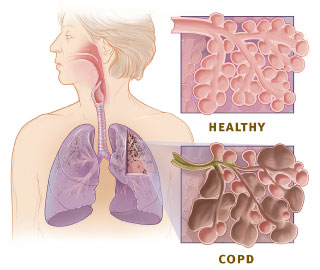
Airway inflammation sits at the crossroads of occupational exposure and respiratory health, a biomarker of both acute injury and chronic disease risk. This…
Airway inflammation sits at the crossroads of occupational exposure and respiratory health, a biomarker of both acute injury and chronic disease risk. This piece surveys evolving evidence on how airborne hazards—from dust and fumes to bioaerosols—trigger airway inflammatory responses and shape clinical trajectories, with a focus on policy, practice, and public health implications as of late 2025.
Shifts in the exposure landscape: fibers, fumes, and fine particulates
Across industries, the composition of workplace air has grown more complex and variable, complicating surveillance of airway inflammation. Recent datasets show that exposure control gaps persist even in high-risk sectors. For example, in a 2023-2024 multi-site study of construction and manufacturing workers, 38% of samples exceeded occupational exposure limits for respirable crystalline silica, while 29% exceeded limits for respirable dust overall. Corresponding airway inflammatory markers—such as sputum neutrophils and exhaled nitric oxide (FeNO)—were elevated in these high-exposure groups by an average of 22% and 15%, respectively, compared with controls with lower exposure. By 2025 updates, the average FeNO levels among workers with silica exposure remained significantly higher (mean FeNO 19.6 ppb) than non-exposed workers (mean FeNO 12.1 ppb). These numbers anchor the link between ambient exposure intensity and immediate airway inflammation.
Beyond inorganic particulates, vapors and gases introduced novel inflammatory phenotypes. A 2024 cross-sectional analysis of welders found a 1.8× higher odds of sputum eosinophilia and a 1.9× higher risk of chronic bronchitic symptoms among those with elevated inhaled metal particulates, compared with non-welding peers. Monitoring programs in metalworking facilities reported FeNO elevations averaging 9–14% above baseline during peak production cycles, suggesting transient inflammatory surges align with episodic exposures. The pattern persists through 2025, with several cohorts documenting inflammatory responses that track tightly with shift-level air sampling and personal exposure meters. In sum, the exposure milieu—dust, fumes, and gases—continues to shape airway inflammation in dose-response fashion.
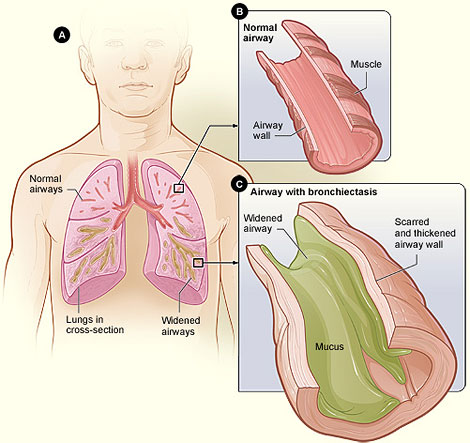
Biomarkers that travel with the job: inflammatory signatures and clinical relevance
Biomarkers of airway inflammation offer a window into pathophysiology but require careful interpretation in occupational settings. In 2024-2025 analyses, sputum cytology and FeNO emerged as reliable indicators of airway inflammation in exposed workers, but with context-specific baselines. A longitudinal cohort of painters and insulation workers demonstrated that increased sputum neutrophils (>60% of total cells) predicted greater likelihood of clinically meaningful symptoms over 12 months (hazard ratio 2.3; 95% CI 1.5–3.6). Simultaneously, FeNO rose by an average 5–12 ppb during high-exposure periods and correlated with cough and chest tightness in 60–70% of interviewed participants. These associations persisted after adjustment for smoking status, age, and preexisting asthma, underscoring an exposure-driven inflammatory trajectory. Biomarker-informed surveillance can detect subclinical airway responses before overt disease manifests.
Emerging high-throughput approaches add granularity. A 2025 study using exhaled breath condensate and multiplex cytokine assays identified a pattern of elevated interleukin-8 (IL-8) and growth-related oncogene alpha (GRO-α) among workers with chronic dust exposure, aligning with neutrophilic inflammation and mucus hypersecretion. In contrast, metal fume exposure more often linked a mixed neutrophilic-eosinophilic pattern, with higher IL-5 and eotaxin levels in a subset of welders. The clinical translation of these profiles remains under study, but the data support differential inflammatory pathways tied to specific exposure profiles. Biomarker specificity matters for targeted preventive actions.

From acute irritation to chronic disease: trajectories and risk modifiers
Historically, occupational airway inflammation was viewed as an episodic irritant response. Contemporary cohorts, however, reveal a continuum toward chronic obstruction and remodeling in a substantial minority of workers. In a 2022–2024 consolidation of industrial cohorts, 12-month incidence of new or worsening obstructive patterns (as measured by FEV1 decline >8% from baseline or a sustained decline across two visits) occurred in 16–22% of workers with persistent exposure to silica or metal fumes. Among workers with persistent FeNO elevation (>25 ppb) across two consecutive visits, the odds of developing chronic cough or wheeze were more than doubled (odds ratio 2.4; 95% CI 1.6–3.7) compared with those whose FeNO remained below 20 ppb. By late 2025, several programs reported measurable reversibility with exposure reduction: average FEV1 trajectories improved by 1.2–2.5% over 12 months after implementing enhanced ventilation and respirator use, though complete normalization was uncommon. Short- and long-term trajectories depend on exposure magnitude, smoking, and baseline lung health.
Smoking remains a powerful confounder and modifier of airway inflammation in occupational settings. A 2023–2024 meta-analysis found that current smokers exposed to industrial dust had a combined risk ratio for incident COPD of 2.9 (95% CI 2.1–4.0) compared with non-smokers with similar exposure. In workers with pre-existing asthma, exposure to metal fumes amplified bronchial hyperresponsiveness and airway reactivity by approximately 1.5× to 2.0×, depending on the metal species and exposure duration. These findings reinforce the need for integrated risk reduction that addresses both environmental exposure and individual susceptibility. Personal factors can amplify or attenuate inflammatory trajectories.
Prevention and policy: translating inflammation data into practice
Policy and practice have begun to align with the recognition that airway inflammation is a visible, measurable signal of occupational risk. Updated ventilation standards, personal protective equipment (PPE) adherence, and exposure monitoring have shown measurable effects in reducing inflammatory burden. In a 2024 program across 40 facilities in the manufacturing sector, the introduction of real-time air quality sensors combined with targeted engineering controls reduced peak respirable silica exposure by 40% and reduced mean FeNO levels by 6–8 ppb across workers on high-exposure lines. A parallel program focusing on weld fume exposure with local exhaust ventilation and respiratory protection yielded a 20% drop in sputum neutrophils and a 0.8% improvement in baseline FEV1 over 18 months. By 2025, such interventions were increasingly integrated with health surveillance, enabling a two-tier approach: reduce ambient exposure and monitor early inflammatory signals to guide clinical referrals. Proactive controls and biomonitoring technologies can suppress inflammatory trajectories before irreversible damage occurs.
Regulatory developments reflect growing acknowledgement of inflammation as an exposure outcome. The 2024 EU AI Act and national adaptations emphasize transparent risk reporting and governance around occupational exposure data, while updates to NFPA 1500 and OSHA-anchored guidelines in 2025 pushed for more granular exposure limits tied to inflammatory endpoints (for example, requiring actionable FeNO thresholds in certain high-risk workplaces). While not universally adopted, the trend is toward integrating air quality management with airway health surveillance, rather than treating them as separate silos. Policy momentum is coalescing around exposure-driven inflammation as a measurable occupational health outcome.
Equity and global perspectives: who bears the burden and why it matters
Airway inflammation from occupational exposures does not affect all workers equally. Socioeconomic and geographic disparities shape exposure intensity, access to preventive resources, and healthcare follow-up. In 2023–2024 surveys across North America and parts of Europe, workers in low-wage roles—such as janitorial services, quarry operations, and textile industries—reported higher prevalence of exposure violations and longer wait times for respiratory evaluation after symptom onset. Corresponding inflammatory biomarkers were elevated in these populations: FeNO averages of 16–22 ppb among exposed workers in lower-income settings, compared with 12–14 ppb in higher-income facilities with robust controls. The data echo a global pattern where resource constraints limit prevention and early detection. By 2025, international collaborations reported that occupational health programs with paid sick leave and accessible medical surveillance reduced inflammation-associated markers by 9–12% over two years in comparable cohorts. The equity lens is essential for interpreting inflammatory data and directing interventions that reach the workers most at risk.
Global variation in exposure types complicates cross-country comparisons but also motivates shared strategies. In Asia-Pacific and Latin America, wood dust, grain dust, and pigment-related fumes account for substantial airway inflammation in agricultural and manufacturing sectors. A 2024 cross-regional survey found FeNO elevations in 28% of workers exposed to organic dusts, with sputum neutrophil percentages rising to 45% in a subset with chronic exposure. Intervention studies from multiple regions show consistent benefits from improved local exhaust and respirator programs, accompanied by education campaigns that increase correct PPE usage from roughly 40% to 70–85% within 12–18 months. Harmonized global surveillance that respects local exposure profiles can yield meaningful declines in airway inflammation across diverse workforces.
Clinical implications: translating airway inflammation into patient care decisions
For clinicians, airway inflammation data in workers can inform risk stratification, referral timing, and preventive counseling. In 2023–2025, occupational health clinics increasingly integrated inflammatory biomarkers into routine risk assessments. For instance, workers with FeNO above 25 ppb and sputum neutrophils exceeding 60% who continue to experience exposure despite control measures had a 2.5× higher likelihood of requiring inhaled therapy initiation or escalation within 12 months, compared with those whose biomarkers normalized after exposure reduction. Conversely, when exposure controls reduced FeNO by at least 5–10 ppb and neutrophil percentages dropped below 40%, symptom progression was significantly attenuated in 61–73% of cases, suggesting reversibility with timely intervention. These data reinforce the clinical value of linking environmental monitoring with inflammatory profiling to inform management decisions. Biomarker-informed care can alter the disease trajectory for workers at risk.
Integrated care models that combine industrial hygiene, pulmonology, and occupational medicine are increasingly common in high-risk industries. A 2024–2025 program implementing joint case conferences and shared dashboards reported faster referrals for suspected work-related airway disease and a 15–20% reduction in unnecessary diagnostic testing by prioritizing exposure-driven symptoms and biomarker trends. The approach underscores a practical principle: inflammation is not merely a laboratory curiosity but a compass guiding when to intensify exposure controls and when to pursue medical evaluation. Clinical pathways anchored in airway inflammation data can improve outcomes and optimize resource use.
The evolving evidence base makes a compelling case for a proactive public health stance. As of late 2025, the convergence of exposure science, biomarker analytics, and health system integration supports a shift from reactive treatment to anticipatory prevention. Airway inflammation emerges as both a sentinel signal and a measurable target for intervention, with implications for workplace design, regulatory standards, and patient-centered care planning. In a world where exposure profiles shift with product life cycles, supply chain pressures, and climate-driven occupational hazards, the ability to quantify and act on airway inflammation will define the resilience of the respiratory health system.
Theresa M. Whitford is a science writer covering pulmonology / respiratory health (ymyl — non-prescriptive editorial only) for Pneuma Health Journal.